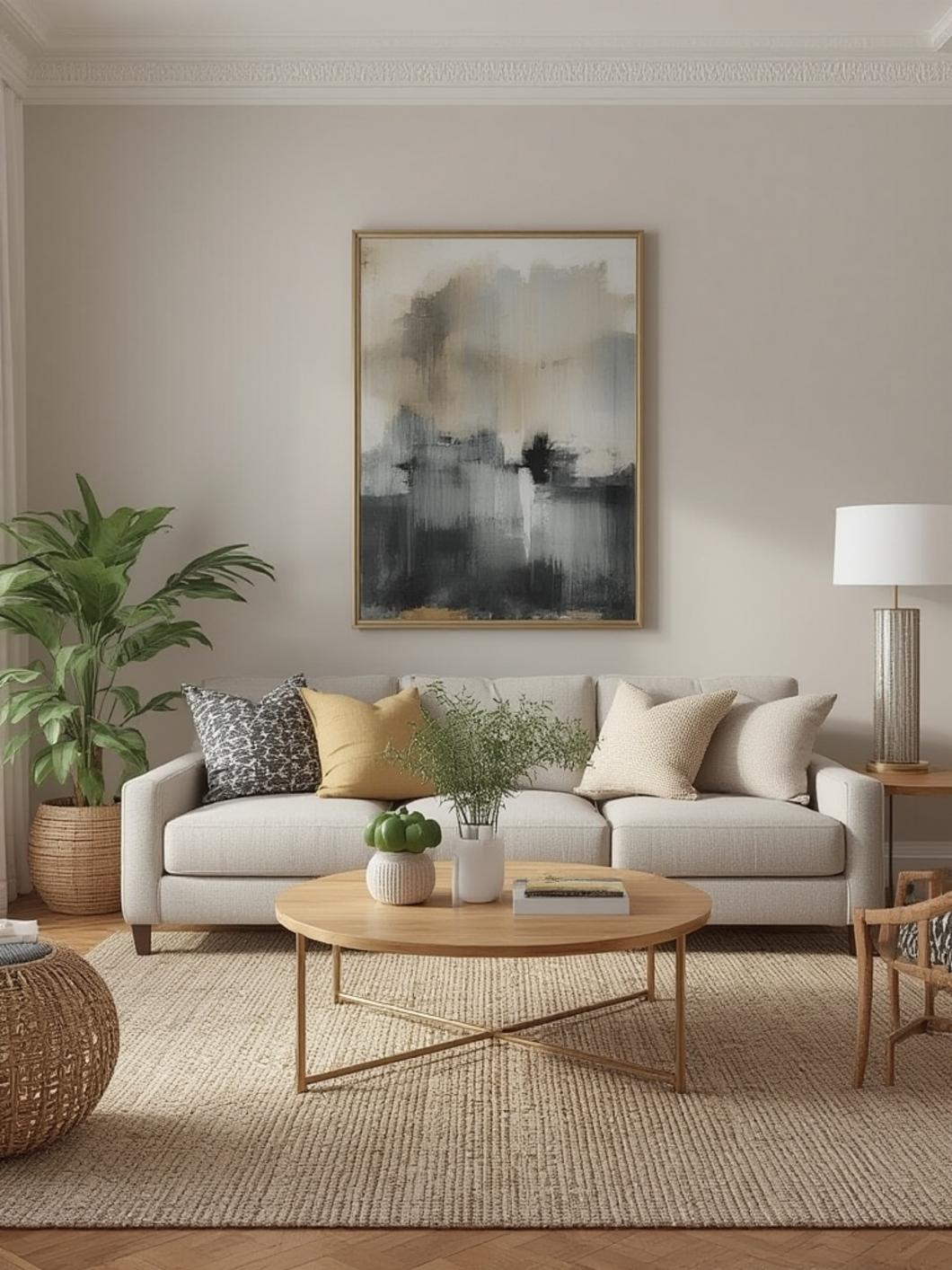
Creating a sanctuary within your home
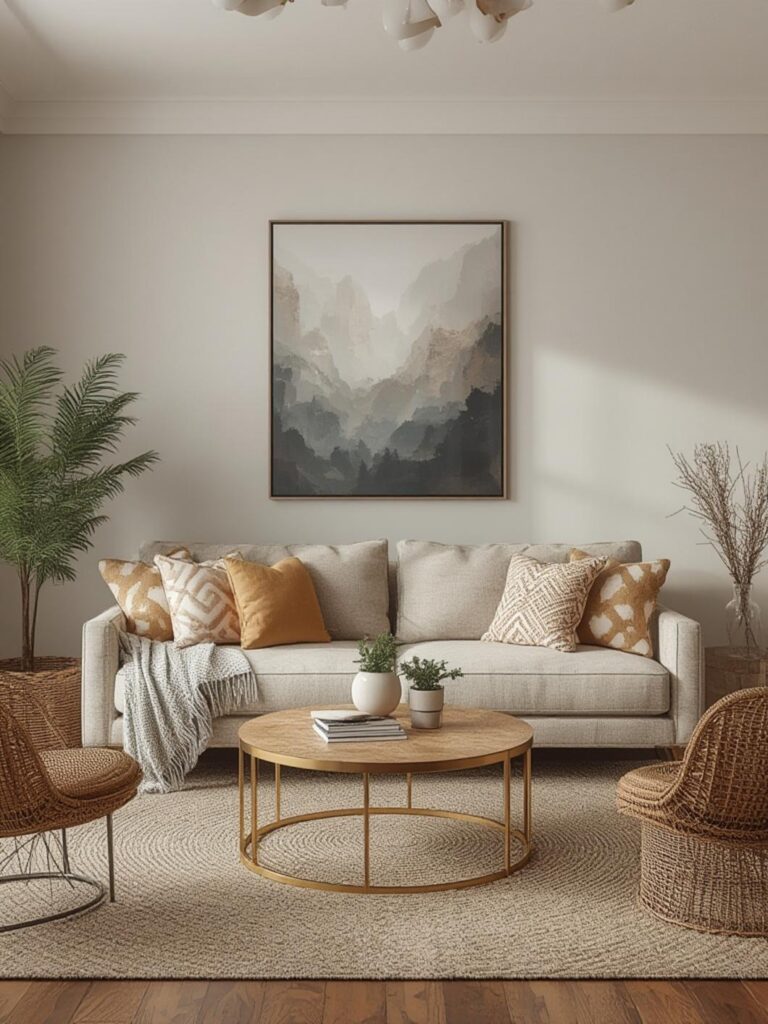
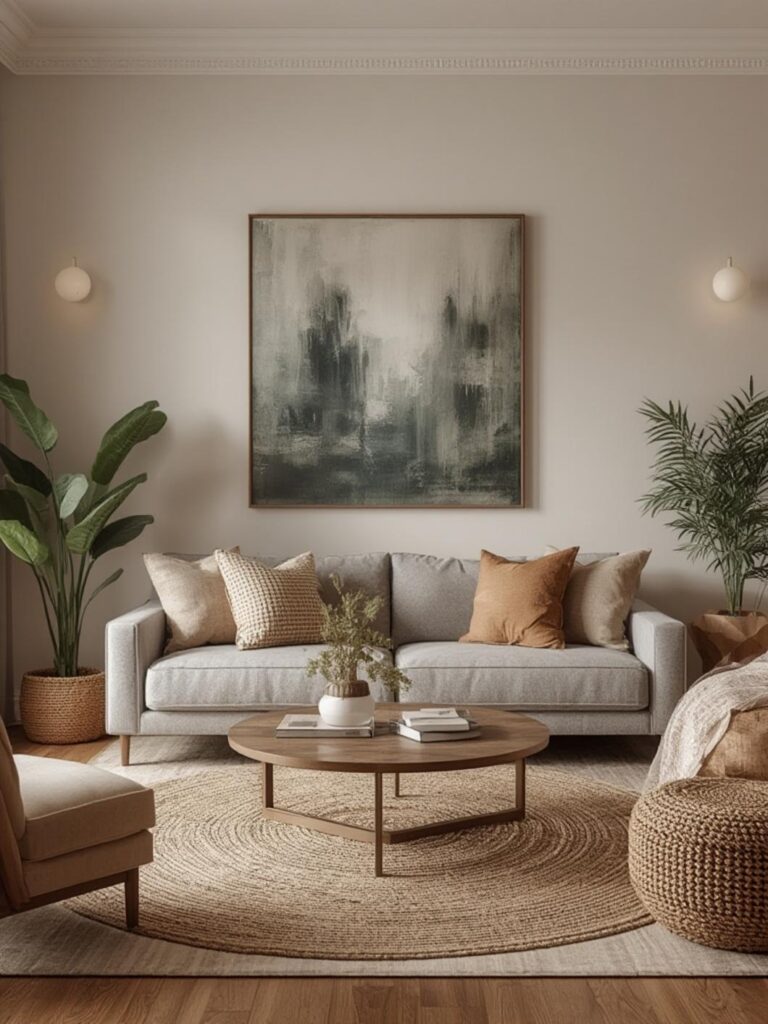
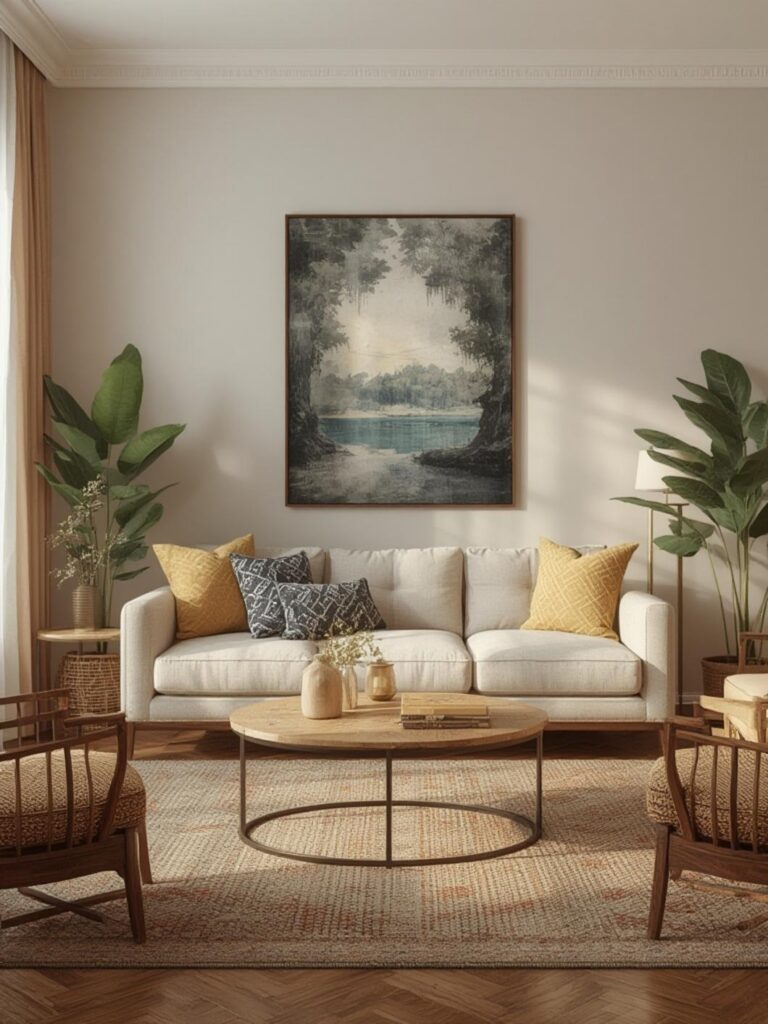
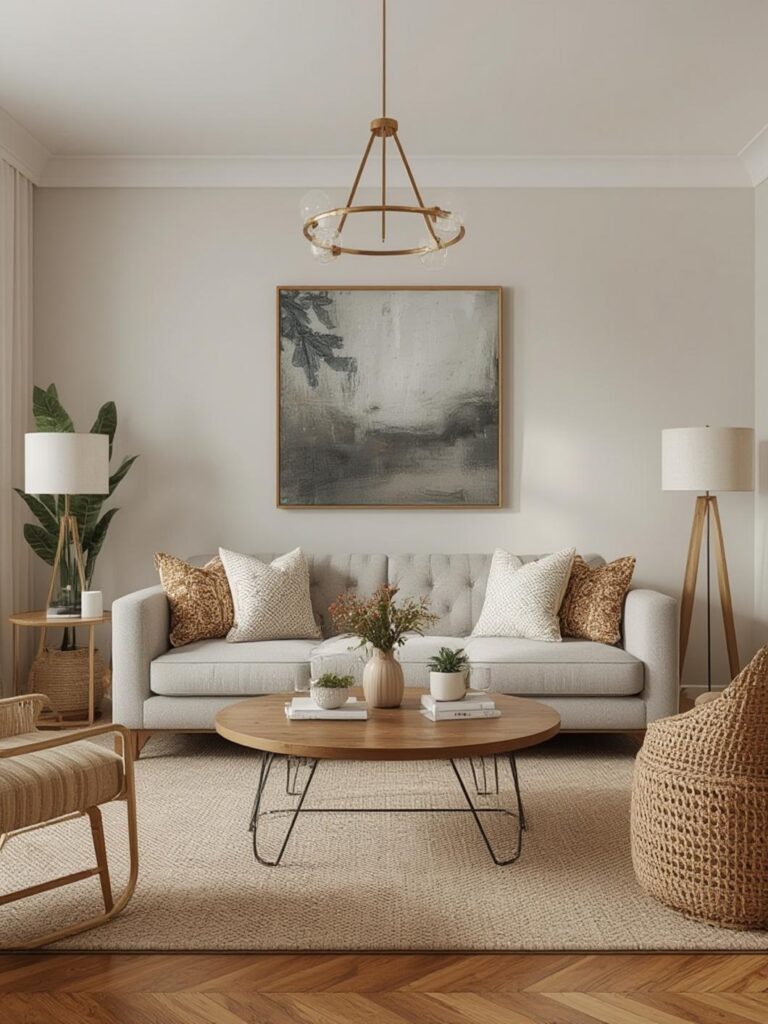
Creating a sanctuary within your home is one of the most rewarding projects you can undertake. It involves more than simply filling a room with furniture; it requires a strategic approach to visual harmony and psychological comfort. When you start brainstorming home decor ideas, it is essential to step back and evaluate the current functionality of your space. You might find that small adjustments can yield massive results. A strong foundation in interior design principles is often the missing link between a “room” and a “home.” By understanding the flow, lighting, and color psychology, you can transform any environment into a reflection of your personality.
To help you navigate this creative journey, we have broken down the process into a structured approach.
Step-by-Step Instructions
The first step in revitalizing your living space is a thorough assessment of your current environment. Before you purchase a single item, take time to walk through your home and identify what sparks joy and what feels stagnant. This evaluation phase is critical when you are actively looking for home decor ideas that will actually stick. Once you have a clear vision, move to the execution phase.
1. Curation and Decluttering: Remove unnecessary items that clutter your visual field. A minimalist base is necessary to allow your style to shine.
2. Establish a Color Palette: Select a primary color scheme. This does not mean using just one color; it involves a mixture of hues that complement each other. The right palette sets the tone for the entire room.
3. Rearrange Your Furniture: Don’t just swap pieces; experiment with scale and flow. Ensure there is a conversational focal point and that pathways are clear.
4. Layer Textures and Lighting: This is where the magic happens. Incorporating soft textiles like throws and rugs adds warmth. Simultaneously, layering lighting—mixing ambient, task, and accent lights—adds depth.
5. Add Personal Touches: Finally, bring in art, photographs, and plants. These elements are the soul of your home.
At this stage, you might realize that you need to refine your approach. By utilizing interior design resources, you can discover new techniques for spacing and accessorizing. For example, the “rule of thirds” in art placement or the use of vertical space can drastically change the room’s vibe. It is about looking at your space not just as furniture, but as a curated gallery of your life.
Tips
- Lighting Matters More Than You Think: Natural light is the best resource you have, so maximize windows. However, don’t forget artificial lighting. Warm light temperatures (2700K-3000K) are generally more inviting for living areas than cool, clinical whites.
- Scale and Proportion: Always ensure your furniture is appropriate for the room size. A grand sofa in a small studio apartment can make the room feel cramped, whereas too much small furniture in a large hall can feel hollow.
- Use Mirrors Strategically: Mirrors are a cost-effective way to make a room appear larger and brighter. Place them opposite a window to bounce natural light around the room.
- Mix Old and New: Don’t be afraid to pair vintage heirlooms with modern minimalist pieces. This contrast creates visual interest and tells a story.
Alternative Methods
While the traditional route involves visiting showrooms and shopping centers, technology offers alternative pathways. Virtual staging and 3D rendering software allow you to visualize home decor ideas before a single nail is hammered. You can upload a photo of your room and experiment with different furniture placements and color schemes digitally.
Another method is the “curated rental” approach. If you are not ready to commit to large renovations, focus on mobile elements like rugs, curtains, and wall art. These pieces allow you to change the mood of a room seasonally without the cost or commitment of structural changes. Additionally, hiring a professional stager for a one-time consultation can provide a fresh pair of eyes and specific strategies to highlight your home’s potential, effectively bridging the gap between amateur and expert interior design execution.
Conclusion
Transforming your living space is a continuous journey of discovery and refinement. It requires patience, creativity, and a willingness to experiment. By following a structured approach and utilizing the right tools, you can achieve a look that is both functional and aesthetically pleasing. We hope you are inspired to try these steps and explore fresh home decor ideas for your own home. Remember, good style is about how you feel in the space, not just how it looks. Ultimately, mastering the nuances of interior design is an investment in your daily quality of life, providing comfort and inspiration for years to come.