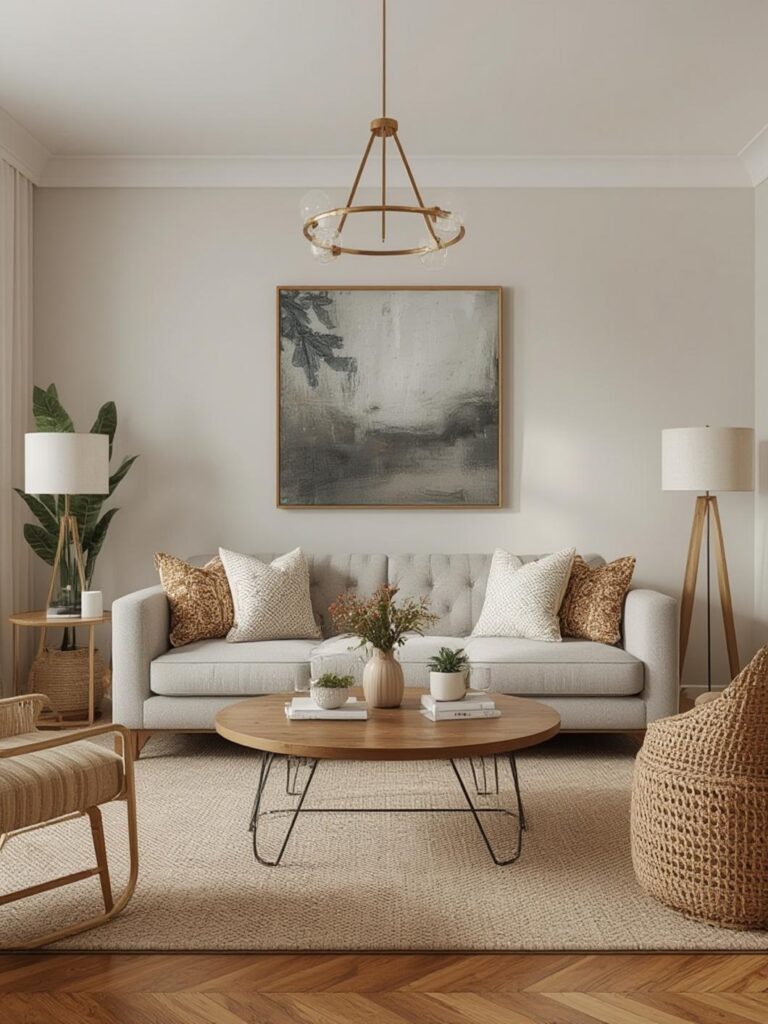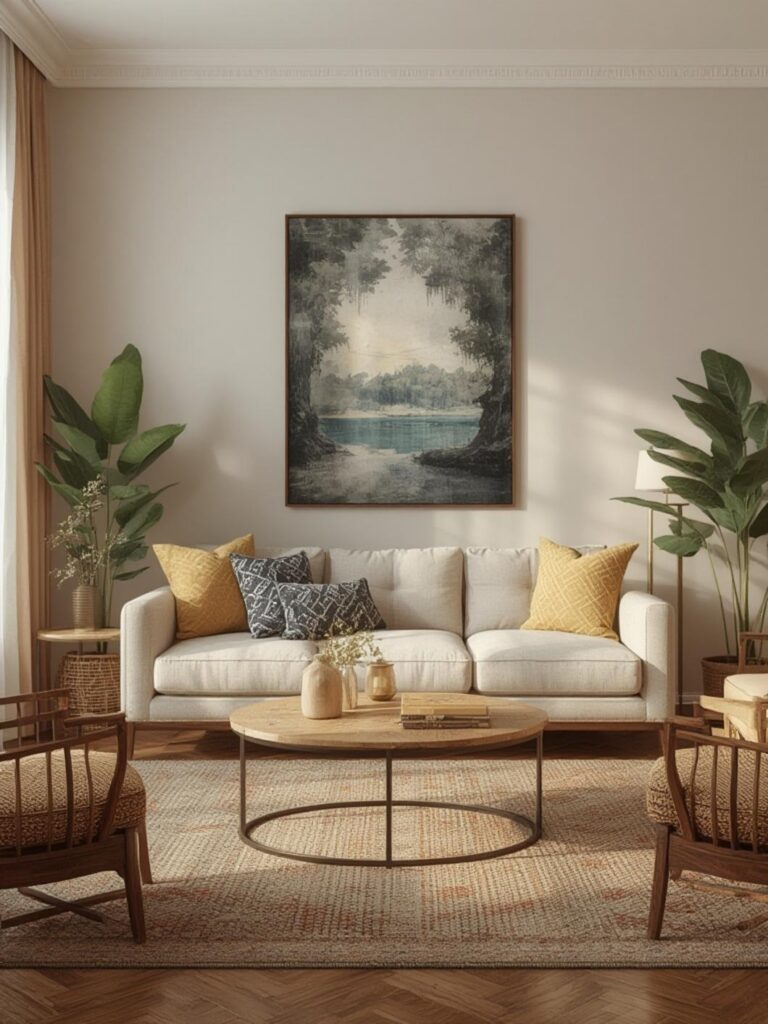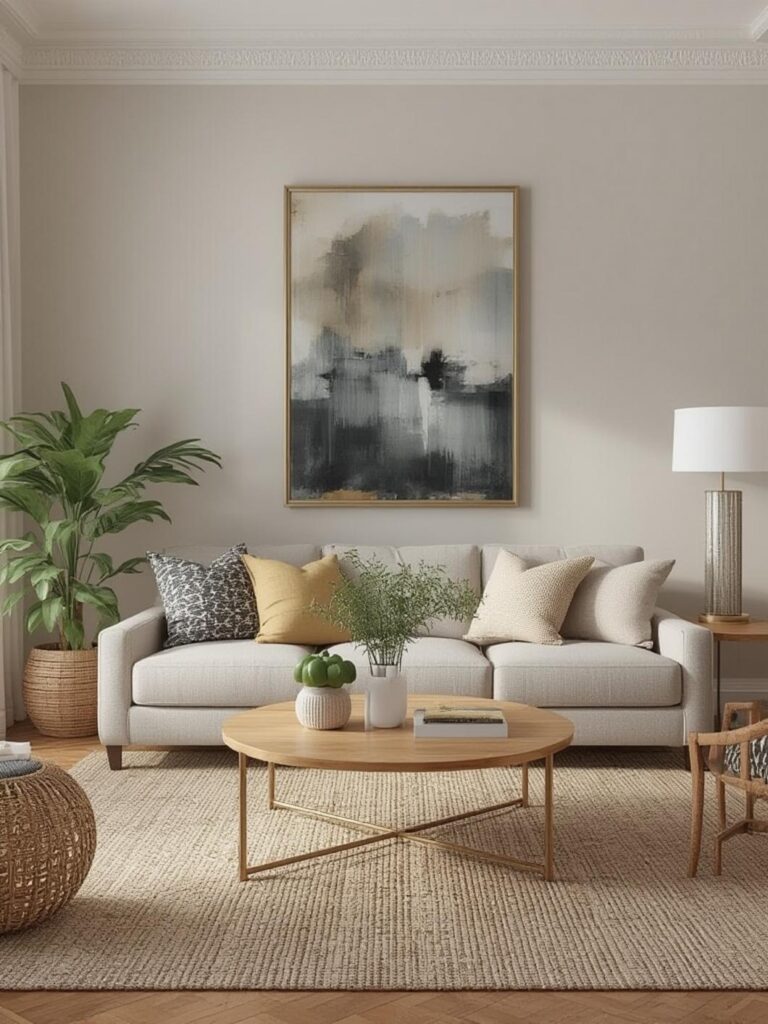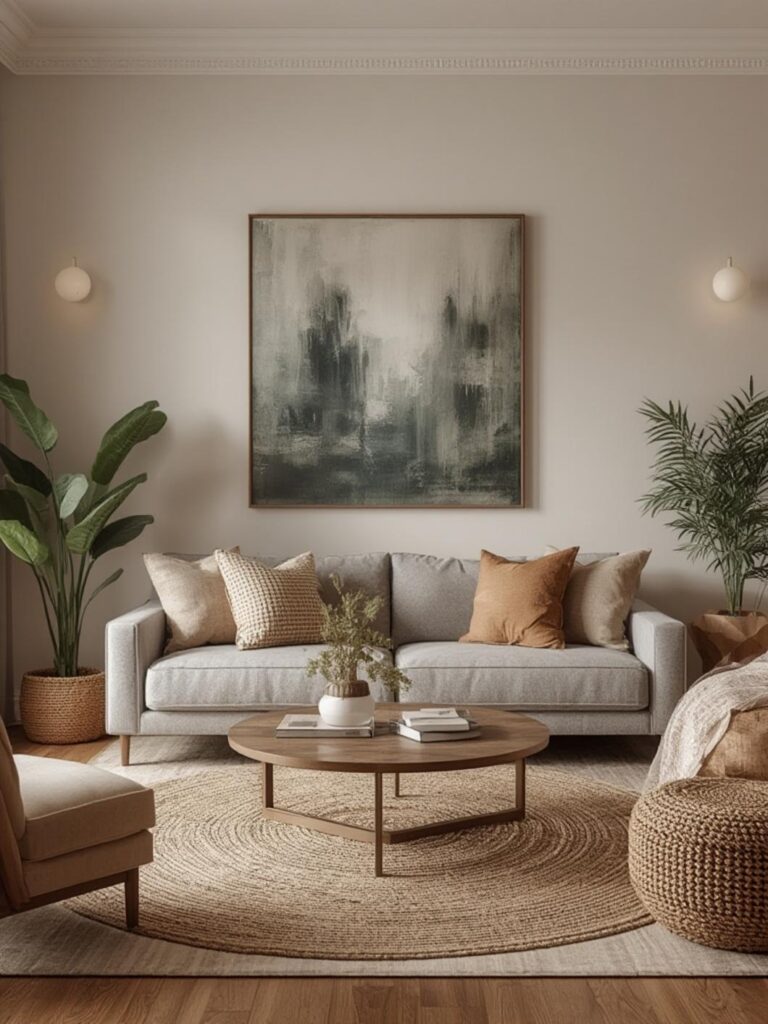
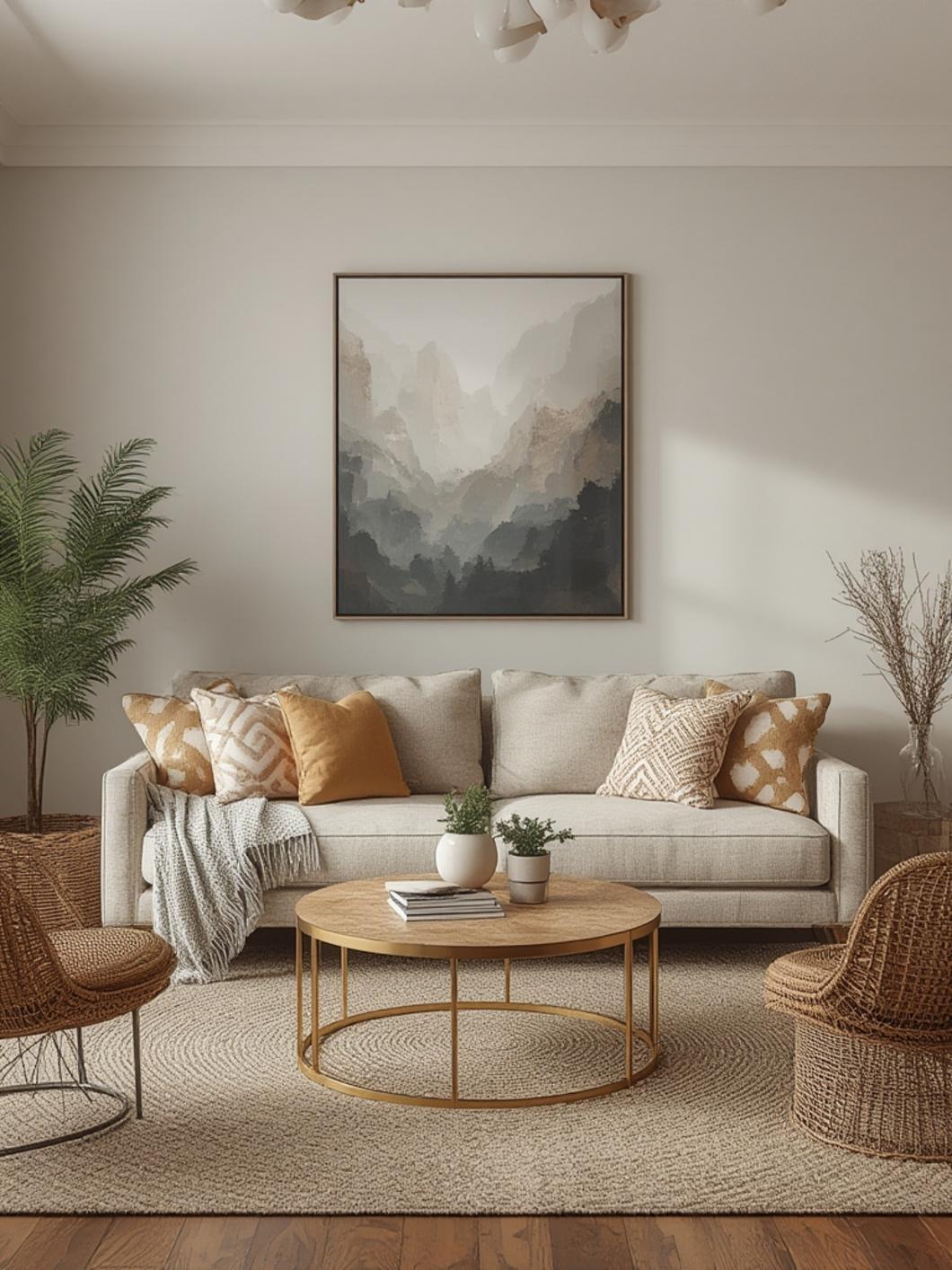
Creating a sanctuary at home
Creating a sanctuary at home is a journey that extends far beyond the mere placement of furniture; it is a holistic endeavor that blends psychology, aesthetics, and functionality to curate an environment that reflects your inner self. When approaching a renovation or a refresh, it is crucial to look at the big picture. Whether you are starting a complete overhaul or simply refreshing a single room, exploring fresh [Anchor 1](https://lifebridg.com/modern-and-elegant-kitchens/) home decor ideas can completely transform your living environment. To truly elevate your space, it is essential to look beyond standard layouts and seek out comprehensive [Anchor 2](https://en.wikipedia.org/wiki/Interior_design) interior design inspiration that speaks to your personal style and practical needs. By understanding how color, light, and texture interact, you can turn a generic room into a bespoke masterpiece that offers comfort and visual delight.
Step-by-Step Instructions
1. Assessment and Planning
Begin by walking through your home and taking a detailed inventory of your space. Identify areas that feel stagnant or underutilized. Ask yourself what the primary function of each room is: Is it for relaxing, working, entertaining, or dining? You might need to rearrange furniture to improve traffic flow or remove clutter to make the room breathe. Document the natural light levels at different times of the day, as this will dictate your lighting strategy later.
2. Establish a Theme
Next, gather visual references to create a mood board. This is where the magic happens. Look for [Anchor 2](https://en.wikipedia.org/wiki/Interior_design) interior design inspiration from high-end magazines, architectural portfolios, and social media platforms. Visualizing your end goal is crucial before purchasing a single item. As you compile these images, compare them against budget-friendly [Anchor 1](https://lifebridg.com/modern-and-elegant-kitchens/) home decor ideas that utilize sustainable materials and timeless designs. Whether you prefer the clean lines of mid-century modern or the warmth of bohemian rugs, having a clear direction prevents impulse buying and ensures cohesion.
3. Texture and Layering
Finally, focus on the sensory details. Walls can be painted, but the tactile experience of a room comes from textures. Incorporate elements like soft throws, woven baskets, velvet cushions, and wooden accents to add depth. Do not be afraid to mix scales; a large statement mirror paired with smaller clustered artwork can create dynamic visual interest. This layering technique adds sophistication and prevents the room from looking flat or boring.
Tips for Success
When implementing your new plan, remember the power of lighting. Never rely solely on overhead fixtures; layering your light—incorporating ambient, task, and accent lights—creates a warm and inviting atmosphere that changes the mood of the room instantly. Additionally, consider the “rule of three” when arranging decor objects; placing three items of varying heights on a console table or shelf creates visual balance. Finally, consider the flow of traffic; furniture should not block walkways, and doors must swing freely without obstruction.
Alternative Methods
If you are on a tight budget or limited mobility, there are alternative ways to achieve a high-end look without major renovations. One effective method is the art of “upcycling.” Instead of buying new cabinets, you can refinish old wood with a glass-like varnish to mimic marble. Virtual staging software is another modern tool that allows you to visualize changes digitally before making a physical commitment. This is particularly useful for determining color schemes and furniture placement, saving you time and money on potential mistakes. For those who enjoy a hands-on approach, creating your own textiles, such as macramé hangings or painted pottery, can add a unique, personal touch that mass-produced items cannot replicate.
Conclusion
The journey of transforming your living space is ongoing and deeply personal. By prioritizing functionality while expressing your individuality, you can create a home that feels uniquely yours. Remember that the best results often come from a blend of research, patience, and creativity. Whether you prefer minimalist chic or eclectic boho, there are endless [Anchor 1](https://lifebridg.com/modern-and-elegant-kitchens/) home decor ideas waiting to be explored to suit your specific taste. Ultimately, the goal is to design a sanctuary that provides comfort and serves as a constant source of [Anchor 2](https://en.wikipedia.org/wiki/Interior_design) interior design inspiration for you and your guests for years to come.