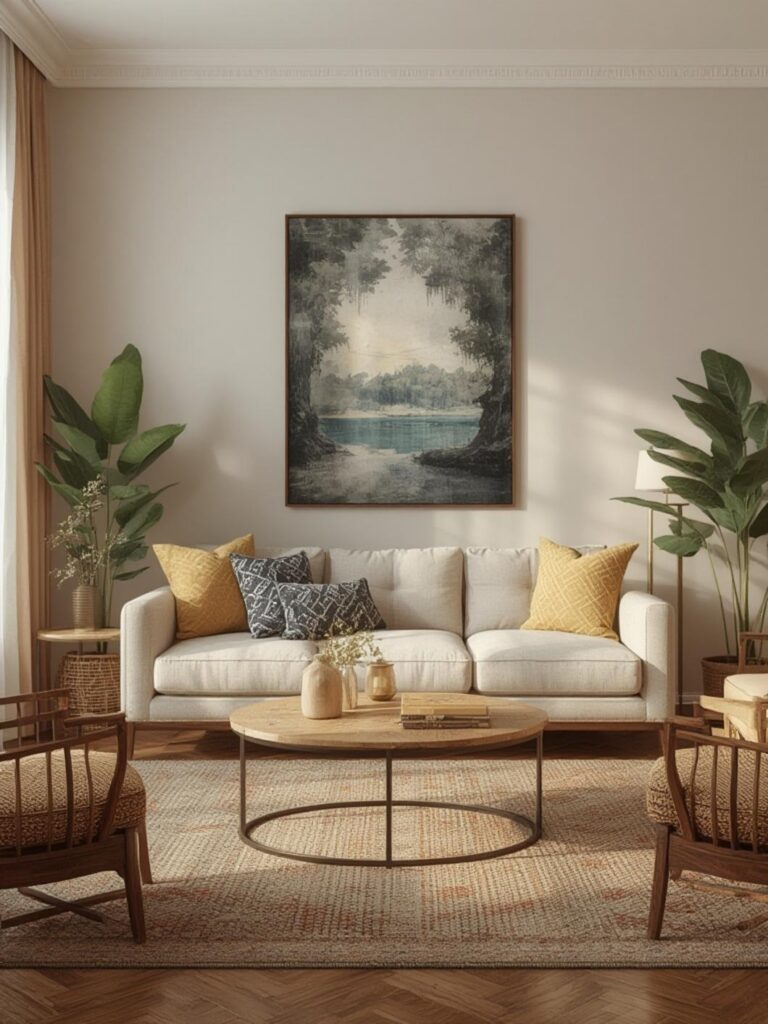
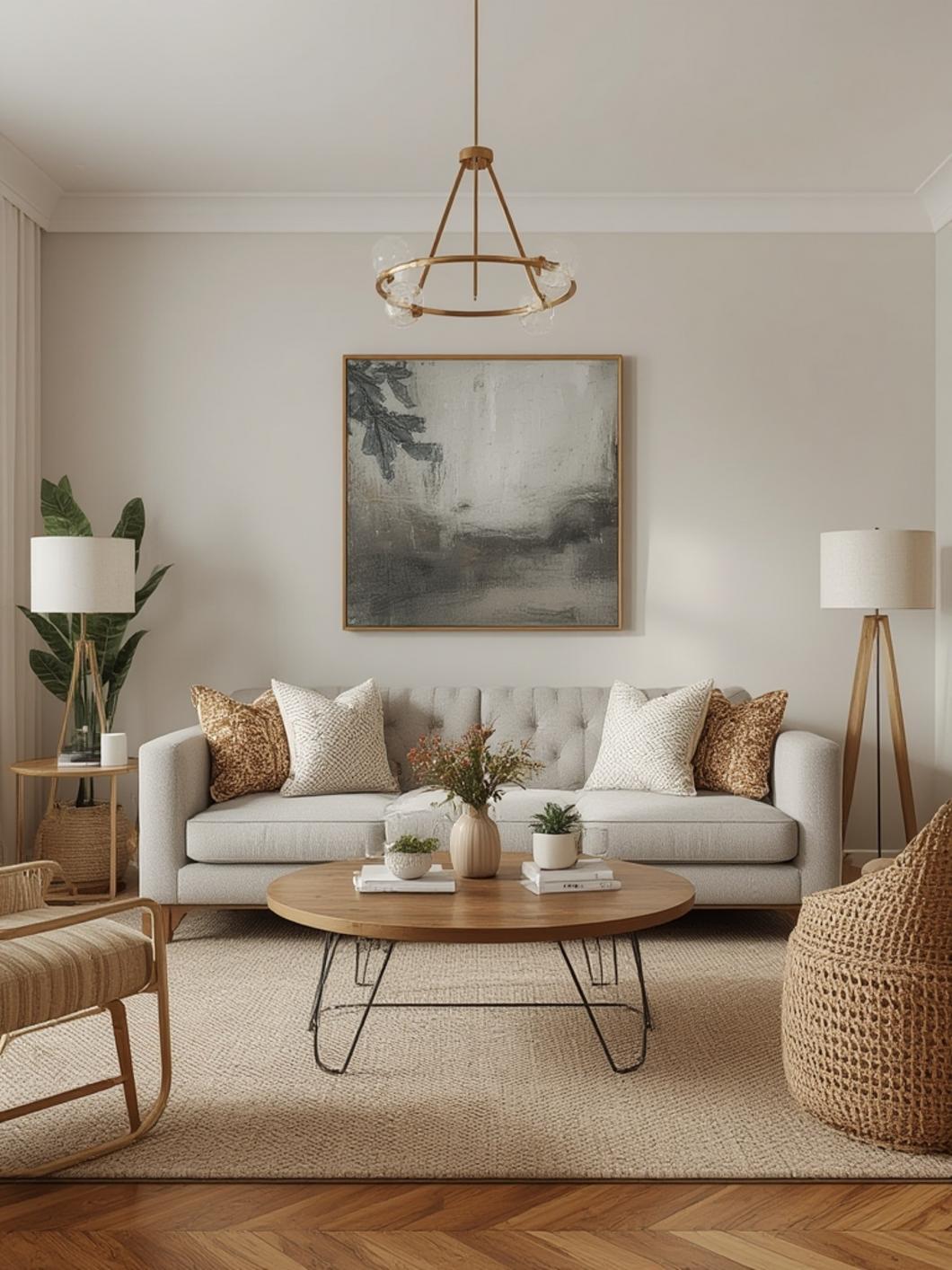
home decor ideas
Transforming a house into a home is more than just a physical renovation; it is a psychological and emotional journey that directly impacts your daily well-being. Whether you are moving into a new space or looking to refresh your current environment, the process requires a blend of creativity, strategy, and practical execution. In the digital age, homeowners have access to a vast array of resources to guide them. A comprehensive collection of home decor ideas can serve as a catalyst for your transformation, offering visual references that bridge the gap between abstract imagination and physical reality. To truly understand the philosophy and academic rigor behind these transformations, one must examine the fundamental principles of interior design, which blends aesthetics with functionality.
Step-by-Step Instructions: Creating Your Masterpiece
To achieve a cohesive look, you cannot simply purchase items randomly; you need a structured approach. Follow these steps to ensure your space reflects your personality while maintaining a high standard of style.
1. The Spatial Audit
Before you buy a single item, walk through your home with a tape measure and a camera. Assess the natural light, the flow of foot traffic, and the architectural features that define the space. When you are conducting this initial assessment, looking for curated home decor ideas specific to your room type can help you identify what is missing. For instance, if you have a large kitchen island, you need lighting concepts that match that scale.
2. Define a Color Palette and Mood
Colors have a profound psychological effect on human behavior. Soft neutrals can create a calm, restful atmosphere, while bold jewel tones can add drama and energy. When you are formulating your plan, consider exploring a variety of home decor ideas that focus on color theory. You might want to look at the definition of interior design to see how professional color blocking is used to create depth. Select three primary colors, one accent color, and strictly adhere to this palette to ensure visual harmony.
3. Curate Your Furniture
Furniture serves as the skeleton of your design. It should be functional but also visually pleasing. Avoid overcrowding; a room should feel breathable and open. When selecting new pieces, browse specific home decor ideas that prioritize scale and proportion. A massive sectional in a small room will make the space feel claustrophobic, whereas a couple of slim, ergonomic chairs can create a more intimate dining setting.
4. Layered Lighting
Lighting is often overlooked, yet it changes the ambiance of a room entirely. You need a mix of ambient, task, and accent lighting. If you are struggling to visualize how different light sources interact, consult expert home decor ideas that break down lighting setups. Proper lighting is a critical component of interior design, transforming a flat, dull space into a multi-dimensional experience by highlighting textures and artworks.
5. Textiles and Accessories
Finally, introduce warmth through fabrics. Throw pillows, rugs, curtains, and tablecloths add softness and comfort. This is where you can really let your personality shine. Use this stage to experiment with patterns and textures, drawing on your pool of home decor ideas. These small details tie the whole room together, ensuring that the functionality provided by the furniture and architecture is complemented by the comfort of textiles.
Essential Tips for Longevity
To ensure your decor stands the test of time, consider these data-driven insights:
- The 60-30-10 Rule: Allocate 60% of the room to a dominant color (furniture or large walls), 30% to a secondary color (upholstery or curtains), and 10% to an accent color (accessories).
- Natural Light is Key: Always position furniture to maximize natural light. Natural light enhances color accuracy and makes spaces feel larger.
- Quality Over Quantity: Invest in a few high-quality pieces rather than many inexpensive ones that may fall apart quickly.
- Declutter Regularly: A minimalist approach often looks more expensive and welcoming. Remove items that do not serve a function or spark joy.
Alternative Methods for Decorating
Not everyone has the budget for a full overhaul or the time for a DIY project. If a complete renovation is out of the question, consider these alternative approaches:
- Furniture Rotation: Swap out cushions and throw pillows seasonally. This costs very little but significantly updates the look of the room.
- Art Statement: Change your artwork. Large canvases or a gallery wall can drastically change the mood of a living room without touching the walls.
- Rearrangement: Sometimes, simply moving a sofa from against the wall to the center of the room, or swapping a sideboard with a console table, can refresh the space.
- Greenery Integration: Add indoor plants. Nature brings life into sterile environments. Even fake plants can make a room feel organic if cared for properly.
Conclusion
Transforming your living space is a rewarding endeavor that requires patience and vision. By following a structured plan and utilizing a wealth of resources, you can create a home that is both beautiful and functional. Whether you are brainstorming specific home decor ideas for your kitchen or researching interior design principles for your living room, remember that consistency is the key to success. Your home is a reflection of you; take the time to curate it with care and intention.